

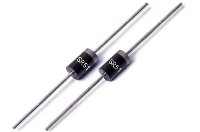

Unlocking skills in the skill tree of SS14 is a multifaceted process that requires a blend of knowledge, experience, and strategic thinking. As a supplier of SS14 components, I've witnessed firsthand how mastering these skills can lead to significant improvements in product performance and customer satisfaction. In this blog post, I'll share my insights on how to unlock skills in the SS14 skill tree, drawing from my years of experience in the industry.
Understanding the SS14 Skill Tree
Before diving into the process of unlocking skills, it's essential to have a clear understanding of what the SS14 skill tree entails. The SS14 is a type of Schottky diode, which is a semiconductor device known for its low forward voltage drop and fast switching speed. These characteristics make it ideal for a wide range of applications, including power supplies, voltage clamping, and signal rectification.
The skill tree of SS14 encompasses various aspects of its design, manufacturing, and application. It includes skills related to component selection, circuit design, thermal management, and quality control. Each skill level represents a deeper understanding and proficiency in a particular area, allowing you to optimize the performance of SS14 diodes in different scenarios.
Mastering the Basics
The first step in unlocking skills in the SS14 skill tree is to master the basics. This involves gaining a solid understanding of the fundamental principles of Schottky diodes, including their construction, operation, and electrical characteristics. You should familiarize yourself with concepts such as forward voltage drop, reverse leakage current, and breakdown voltage, as these parameters play a crucial role in determining the performance of SS14 diodes.
One of the best ways to learn the basics is to study technical documentation and datasheets provided by manufacturers. These resources offer detailed information about the specifications, features, and applications of SS14 diodes, as well as guidelines for proper usage and handling. Additionally, you can attend training courses, workshops, or webinars conducted by industry experts to gain hands-on experience and practical insights.
Component Selection
Once you have a good grasp of the basics, the next step is to focus on component selection. Choosing the right SS14 diode for your application is essential to ensure optimal performance and reliability. There are several factors to consider when selecting a diode, including its current rating, voltage rating, forward voltage drop, and reverse leakage current.
For example, if you're designing a power supply that requires high efficiency, you may want to choose a diode with a low forward voltage drop, such as the Solar Panel Diode. This type of diode can minimize power losses and improve the overall efficiency of the power supply. On the other hand, if you're working on a circuit that requires high-speed switching, you may need a diode with a fast reverse recovery time, such as the SR5100.
It's also important to consider the quality and reliability of the components. Look for diodes that are manufactured by reputable companies and meet industry standards. You can check for certifications such as ISO 9001, which indicates that the manufacturer has implemented a quality management system to ensure consistent product quality.


Circuit Design
In addition to component selection, circuit design is another critical aspect of unlocking skills in the SS14 skill tree. A well-designed circuit can optimize the performance of SS14 diodes and ensure their reliable operation in different conditions. When designing a circuit, you need to consider factors such as voltage levels, current flow, and thermal management.
For example, you should ensure that the voltage across the diode does not exceed its maximum rated voltage, as this can cause the diode to breakdown and fail. You can use techniques such as voltage clamping and current limiting to protect the diode from overvoltage and overcurrent conditions. Additionally, you need to pay attention to the layout of the circuit to minimize parasitic capacitance and inductance, which can affect the performance of the diode.
Thermal management is also an important consideration in circuit design. Schottky diodes generate heat during operation, and if this heat is not dissipated properly, it can cause the diode to overheat and fail. You can use techniques such as heat sinks, fans, or thermal pads to dissipate the heat and keep the diode within its operating temperature range.
Testing and Validation
Once you have designed and built a circuit using SS14 diodes, the next step is to test and validate its performance. Testing is an essential part of the skill development process, as it allows you to identify any issues or problems with the circuit and make necessary adjustments.
There are several types of tests that you can perform on a circuit, including electrical tests, thermal tests, and reliability tests. Electrical tests can measure parameters such as voltage, current, and resistance to ensure that the circuit is functioning as expected. Thermal tests can measure the temperature of the diode and the surrounding components to ensure that the thermal management system is working effectively. Reliability tests can simulate real-world conditions and stress the circuit to ensure that it can withstand long-term use.
During the testing process, it's important to use high-quality test equipment and follow industry standards and best practices. You should also document the test results and analyze the data to identify any trends or patterns. This information can help you improve the design of the circuit and optimize the performance of the SS14 diodes.
Continuous Learning and Improvement
Unlocking skills in the SS14 skill tree is not a one-time process. It requires continuous learning and improvement to keep up with the latest technologies and trends in the industry. As a supplier of SS14 components, I'm constantly learning about new applications, design techniques, and manufacturing processes to provide the best possible products and services to my customers.
One of the best ways to stay updated is to attend industry conferences, trade shows, and seminars. These events offer opportunities to network with other professionals, learn about the latest products and technologies, and gain insights into emerging trends. Additionally, you can subscribe to industry publications and online forums to stay informed about the latest news and developments.
Another important aspect of continuous learning is to seek feedback from your customers and colleagues. They can provide valuable insights and suggestions for improvement, which can help you enhance your skills and knowledge. You should also be open to trying new things and experimenting with different approaches to see what works best for you.
Conclusion
Unlocking skills in the skill tree of SS14 is a challenging but rewarding journey. By mastering the basics, focusing on component selection and circuit design, testing and validating your work, and continuously learning and improving, you can become an expert in the field of SS14 diodes. As a supplier of SS14 components, I'm committed to helping my customers unlock their full potential and achieve their goals. If you're interested in learning more about our products or have any questions about SS14 diodes, please don't hesitate to contact me for a procurement discussion.
References
- Manufacturer datasheets and technical documentation
- Industry standards and best practices
- Conference proceedings and trade show materials
- Online forums and industry publications