


As a supplier of ABSR10, I understand the importance of resolution in the performance of this product. In this blog post, I will share some effective ways to improve the resolution of ABSR10, which can enhance its overall functionality and meet the diverse needs of our customers.
Understanding ABSR10
Before delving into the methods of improving resolution, it's essential to have a clear understanding of what ABSR10 is. ABSR10 is a high - performance fast - recovery bridge rectifier, which plays a crucial role in converting alternating current (AC) to direct current (DC). You can find more detailed information about ABSR10 on our official website ABSR10. It is widely used in various electronic devices, such as power supplies, chargers, and inverters. A higher resolution of ABSR10 can lead to more accurate and stable DC output, reducing noise and interference in the circuit.
Factors Affecting the Resolution of ABSR10
Several factors can influence the resolution of ABSR10. Firstly, the internal structure of the rectifier is of great significance. The quality of semiconductor materials, the design of the diode layout, and the manufacturing process all have an impact on the resolution. For example, using high - purity semiconductor materials can reduce the resistance and leakage current, thus improving the resolution.
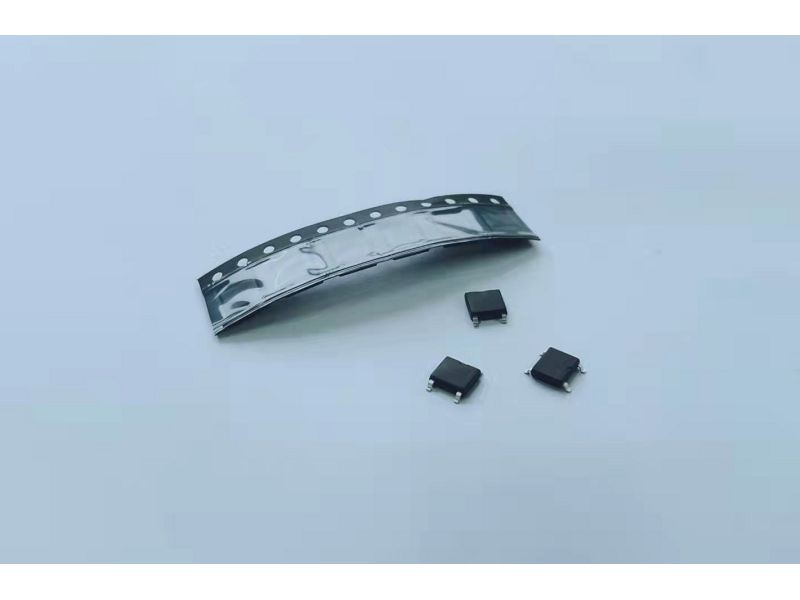

Secondly, the operating environment also plays a vital role. Temperature, humidity, and electromagnetic interference can all affect the performance of ABSR10. High temperatures can increase the leakage current of the rectifier, while electromagnetic interference can introduce noise into the output signal, reducing the resolution.
Methods to Improve the Resolution of ABSR10
1. Optimize the Semiconductor Materials
The choice of semiconductor materials is fundamental to improving the resolution of ABSR10. We can select high - quality silicon materials with low impurity levels. These materials have better electrical properties, such as lower resistivity and higher carrier mobility. By using such materials, the forward voltage drop of the rectifier can be reduced, and the reverse leakage current can be minimized. This results in a more accurate and stable DC output, thereby improving the resolution.
2. Improve the Manufacturing Process
A precise manufacturing process is crucial for enhancing the resolution of ABSR10. Advanced photolithography and etching techniques can be employed to fabricate the diode structure more accurately. This ensures that the electrical characteristics of each diode in the bridge rectifier are consistent, reducing the variation in the output signal. Additionally, strict quality control during the manufacturing process can eliminate defective products, further improving the overall resolution of the ABSR10.
3. Enhance the Heat Dissipation Design
As mentioned earlier, temperature has a significant impact on the performance of ABSR10. By improving the heat dissipation design, we can keep the operating temperature of the rectifier within a reasonable range. This can be achieved by adding heat sinks or using high - thermal - conductivity packaging materials. A lower operating temperature can reduce the leakage current and improve the stability of the rectifier, leading to an improved resolution.
4. Use Filtering Circuits
To reduce the influence of electromagnetic interference on the output signal, filtering circuits can be added to the ABSR10 application circuit. Capacitors and inductors can be used to form low - pass or high - pass filters, which can filter out high - frequency noise and interference. This helps to clean up the DC output signal, making it more accurate and improving the resolution.
5. Compare with ABSR210
Another way to understand and improve the resolution of ABSR10 is to compare it with ABSR210. ABSR210 is another product in our fast - recovery bridge rectifier series, which may have different performance characteristics. By analyzing the differences between ABSR10 and ABSR210, such as their electrical parameters, internal structures, and application scenarios, we can gain more insights into how to optimize the resolution of ABSR10. For example, if ABSR210 has a higher resolution in a certain aspect, we can learn from its design and manufacturing methods to improve ABSR10.
Case Studies
Let's take a look at some real - world case studies to illustrate the effectiveness of these methods. In a power supply application, a customer was experiencing low - resolution issues with ABSR10. After we optimized the semiconductor materials and improved the heat dissipation design, the resolution of the rectifier was significantly improved. The output DC voltage became more stable, and the noise level was reduced. As a result, the overall performance of the power supply was enhanced, and the customer was very satisfied with the improvement.
In another case, a charger manufacturer was facing problems with the accuracy of the charging current due to the low resolution of ABSR10. By adding filtering circuits to the application circuit, the interference in the output signal was effectively reduced. The charging current became more accurate, and the charging efficiency was improved. This case shows that using filtering circuits can be an effective way to improve the resolution of ABSR10 in practical applications.
Conclusion
Improving the resolution of ABSR10 is a multi - faceted task that requires attention to various factors, including semiconductor materials, manufacturing processes, operating environment, and circuit design. By implementing the methods mentioned above, we can significantly enhance the resolution of ABSR10, providing our customers with a more high - performance product.
If you are interested in purchasing ABSR10 or have any questions about improving its resolution, please feel free to contact us for further discussion. We are committed to providing you with the best solutions and high - quality products.
References
- [Reference 1] "Semiconductor Physics and Devices" by Donald A. Neamen
- [Reference 2] "Power Electronics: Converters, Applications, and Design" by Ned Mohan, Tore M. Undeland, and William P. Robbins