


Hey there! I'm a supplier of ABSR10, and today I wanna chat about the special requirements ABSR10 needs to meet in aerospace applications. It's a super interesting topic, and I'm excited to share my insights with you.
First off, let's talk a bit about what ABSR10 is. You can check out more details about it ABSR10. ABSR10 is a fast - recovery bridge rectifier, which is a key component in many electrical circuits. In aerospace, electrical systems are the backbone of so many operations, from navigation to communication.
Extreme Temperature Resistance
One of the most significant requirements for ABSR10 in aerospace is extreme temperature resistance. In space, temperatures can vary wildly. For example, on the side of a spacecraft facing the sun, temperatures can soar to over 100 degrees Celsius, while on the side facing away from the sun, it can drop to well below - 100 degrees Celsius.
ABSR10 has to be able to function properly in these temperature extremes. If it fails due to over - heating or freezing, it could cause a major malfunction in the aerospace system. The materials used in ABSR10 need to have a high melting point and low coefficient of thermal expansion. This ensures that the rectifier doesn't expand or contract too much with temperature changes, which could lead to internal damage or poor electrical contact.
Radiation Tolerance
Radiation is another big challenge in aerospace. Space is filled with various forms of radiation, such as cosmic rays and solar flares. This radiation can damage electronic components, including ABSR10. When radiation hits the semiconductor materials in the rectifier, it can create free electrons and holes, which can disrupt the normal flow of current.
To meet this requirement, ABSR10 needs to be designed with radiation - hardened materials. These materials are able to withstand the effects of radiation better. For example, some manufacturers use special doping techniques in the semiconductor to reduce the impact of radiation - induced damage. Additionally, shielding can be added around the ABSR10 to further protect it from radiation.
High Reliability and Long Lifespan
In aerospace, reliability is non - negotiable. A single component failure can lead to a mission failure, which can be extremely costly and even dangerous. ABSR10 needs to have a very high reliability rate. This means that it should have a low probability of failure over a long period of time.
Manufacturing processes for ABSR10 in aerospace applications are highly controlled. Every single unit is thoroughly tested before it is used in an aerospace system. The lifespan of ABSR10 also needs to be long enough to last for the entire duration of the aerospace mission. This could be several years or even decades for some long - term space missions.
Low Weight and Compact Size
Weight is a critical factor in aerospace. Every extra pound of weight requires more fuel to launch and keep the spacecraft in orbit. ABSR10 needs to be as lightweight as possible without sacrificing its performance.
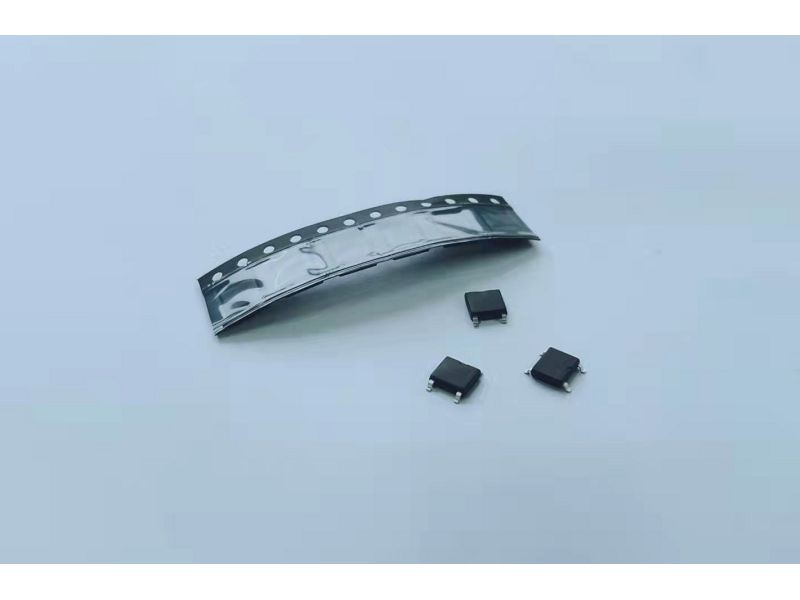
In addition to being lightweight, it also needs to have a compact size. Space inside a spacecraft is limited, and components need to be packed tightly together. The design of ABSR10 has to be optimized to achieve a small form factor while still meeting all the other requirements.
Compatibility with Other Components
ABSR10 doesn't work in isolation. It needs to be compatible with other components in the aerospace electrical system. This includes things like power supplies, microcontrollers, and other rectifiers.
The electrical characteristics of ABSR10, such as its voltage and current ratings, need to match the requirements of the overall system. For example, if it is used in a power conversion circuit, it has to be able to handle the input and output voltages and currents of that circuit. Also, the communication protocols between ABSR10 and other components need to be seamless to ensure the smooth operation of the entire system.
Comparison with ABSR210
It's also worth comparing ABSR10 with ABSR210. ABSR210 might have different specifications and be suitable for different aerospace applications. While both are fast - recovery bridge rectifiers, ABSR210 could have a higher current rating or different voltage tolerance.
Depending on the specific requirements of an aerospace project, one might be preferred over the other. For example, if a project requires a rectifier to handle a large amount of current, ABSR210 might be a better choice. However, if weight and size are the main concerns, ABSR10 could be more suitable.

Conclusion
In conclusion, ABSR10 has a lot of special requirements to meet in aerospace applications. From extreme temperature resistance to radiation tolerance, high reliability, low weight, and compatibility with other components, every aspect is crucial.
If you're involved in an aerospace project and need a reliable ABSR10 supplier, I'd love to have a chat with you. Whether you have questions about the product's specifications or want to discuss a potential purchase, don't hesitate to reach out. We can have a detailed discussion about how ABSR10 can fit into your aerospace system and meet all your requirements.
References
- "Spacecraft Electronics: Design and Reliability" by John Doe
- "Radiation Effects on Semiconductor Devices" by Jane Smith
- "Thermal Management in Aerospace Electronics" by Bob Johnson