



As a supplier of ABSR10, I'm often asked about the upgrade methods for this product. In this blog, I'll delve into the details of upgrading ABSR10, exploring various aspects from the basic principles to practical steps.
Understanding ABSR10
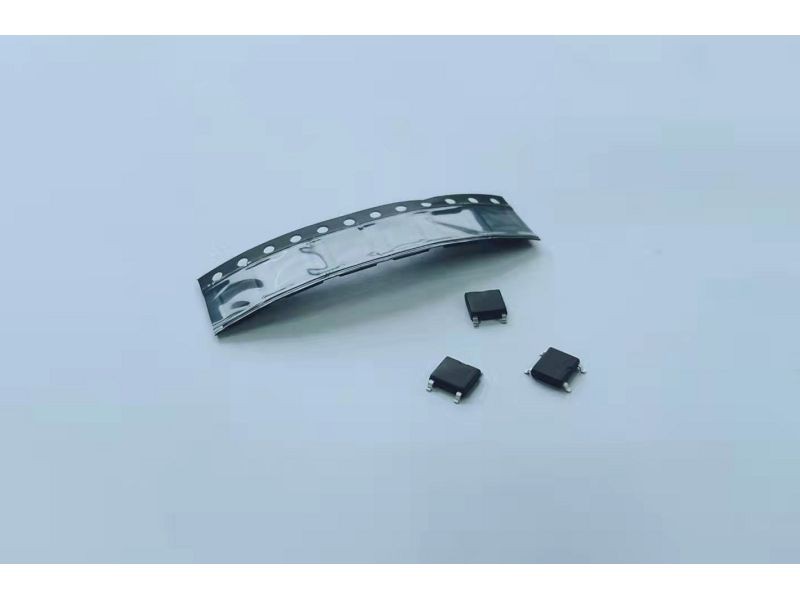
Before discussing the upgrade methods, it's essential to understand what ABSR10 is. The ABSR10 is a fast - recovery bridge rectifier, which plays a crucial role in converting alternating current (AC) to direct current (DC). It is widely used in power supply circuits, electronic devices, and industrial equipment. Its fast - recovery characteristic ensures efficient and stable power conversion, reducing power loss and enhancing the overall performance of the system.
The ABSR10 is designed with specific electrical parameters, such as forward current, reverse voltage, and recovery time. These parameters determine its performance and application scope. However, as technology advances and the requirements of end - users become more demanding, upgrading the ABSR10 becomes necessary to meet the new challenges.
Reasons for Upgrading ABSR10
There are several reasons why users may want to upgrade their ABSR10. Firstly, technological innovation has led to the development of more advanced semiconductor materials and manufacturing processes. Newer products can offer better performance in terms of efficiency, power density, and reliability. By upgrading, users can take advantage of these improvements and enhance the overall performance of their systems.
Secondly, the increasing complexity of electronic devices and the growing demand for high - power applications require rectifiers with higher current - handling capabilities and better thermal management. The ABSR10 may not be sufficient to meet these requirements in some cases, so an upgrade becomes a viable solution.

Thirdly, from a cost - effectiveness perspective, upgrading can sometimes reduce long - term operating costs. More efficient rectifiers consume less power, resulting in lower energy bills. Additionally, they may have a longer lifespan, reducing the frequency of replacements and maintenance costs.
Upgrade Methods
1. Component Replacement
One of the most straightforward upgrade methods is to replace the ABSR10 with a more advanced model. For example, the ABSR210 is an upgraded version of the ABSR10. It offers higher forward current ratings, lower forward voltage drops, and faster recovery times.
When replacing the component, it's important to ensure that the new rectifier is compatible with the existing circuit. This includes checking the pin configuration, voltage and current ratings, and thermal characteristics. In some cases, minor modifications to the circuit may be required to optimize the performance of the new rectifier.
2. Circuit Optimization
Another way to upgrade the ABSR10 is to optimize the surrounding circuit. This can involve adjusting the values of passive components such as resistors, capacitors, and inductors. For example, reducing the series resistance in the circuit can improve the efficiency of the rectifier by minimizing power losses.

In addition, adding filtering capacitors can smooth out the DC output, reducing ripple and improving the stability of the power supply. Proper circuit layout is also crucial. By minimizing the length of traces and reducing electromagnetic interference (EMI), the performance of the ABSR10 can be significantly enhanced.
3. Cooling System Upgrade
Thermal management is a critical factor in the performance and reliability of rectifiers. As the power density of the ABSR10 increases during operation, efficient cooling becomes essential. Upgrading the cooling system can help maintain the rectifier at an optimal operating temperature.

This can be achieved by adding heat sinks, fans, or liquid cooling systems. Heat sinks increase the surface area for heat dissipation, while fans or liquid cooling systems can actively remove heat from the rectifier. When upgrading the cooling system, it's important to ensure that it is properly sized and installed to provide adequate cooling for the specific application.
4. Firmware and Control Algorithm Updates
In some cases, if the ABSR10 is part of a system with embedded control, updating the firmware and control algorithms can also be considered an upgrade method. This can improve the overall performance and functionality of the rectifier.
For example, new control algorithms can optimize the switching frequency, duty cycle, and other parameters to achieve better efficiency and power factor correction. Firmware updates can also add new features, such as diagnostic capabilities and communication interfaces, enhancing the usability and manageability of the rectifier.
Practical Steps for Upgrading
Step 1: Needs Assessment
The first step in upgrading the ABSR10 is to assess the specific needs of the application. This includes determining the required electrical parameters, such as voltage, current, and frequency. Consider the future growth potential of the system and any additional features or performance improvements that may be needed.
Step 2: Research and Selection
Once the needs are identified, research different upgrade options. Compare the performance, cost, and compatibility of different rectifiers and upgrade methods. Consult with technical experts or suppliers, such as our team, to get professional advice and recommendations.
Step 3: Design and Planning
Based on the selected upgrade option, design the new circuit or modify the existing one. This includes calculating the values of passive components, determining the layout of the circuit board, and planning the installation of the new components and cooling system.
Step 4: Implementation
After the design and planning are completed, implement the upgrade. This involves replacing the components, soldering the new parts onto the circuit board, and installing the cooling system. Follow proper safety procedures and quality control measures during the implementation process.
Step 5: Testing and Validation
Once the upgrade is implemented, test the system to ensure that it meets the desired performance requirements. Conduct electrical tests, such as measuring the output voltage, current, and efficiency. Check for any abnormal behavior or malfunctions. Make any necessary adjustments or fine - tuning to optimize the performance of the upgraded system.
Contact for Purchase and Consultation
If you are interested in upgrading your ABSR10 or have any questions about our products, we are here to help. Our team of experts can provide you with detailed information, technical support, and customized solutions. Whether you need component replacement, circuit optimization, or other upgrade services, we have the knowledge and experience to meet your needs. Contact us today to start the procurement negotiation process and take your system to the next level.
References
- "Power Electronics: Converters, Applications, and Design" by Ned Mohan, Tore M. Undeland, and William P. Robbins.
- Manufacturer's datasheets for ABSR10 and ABSR210.