


In the dynamic landscape of electronic components, the question of system integration is paramount for both manufacturers and end - users. As a trusted supplier of the ABSR10, I often encounter inquiries about its compatibility with other systems. In this blog, we will delve into the technical aspects, explore potential integration scenarios, and shed light on the benefits and challenges associated with integrating ABSR10 into diverse systems.
Technical Overview of ABSR10
Before discussing integration, it's essential to understand the core features of the ABSR10. The ABSR10 is a fast - recovery bridge rectifier. It is designed to convert alternating current (AC) to direct current (DC) efficiently. With its low forward voltage drop and fast recovery time, the ABSR10 is capable of handling high - frequency applications with minimal power loss.
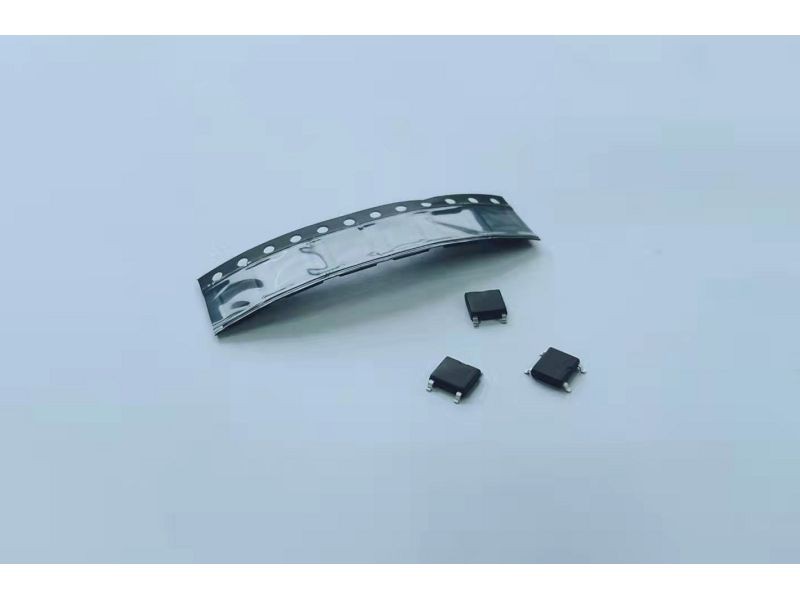
The ABSR10 is built using advanced semiconductor technology, which ensures high reliability and long - term performance. It comes in a compact package, making it suitable for space - constrained applications. The device has a well - defined electrical specification, including parameters such as peak reverse voltage, average forward current, and maximum junction temperature. These specifications serve as the foundation for evaluating its integration potential with other systems.
Compatibility Factors
When considering the integration of ABSR10 with other systems, several key factors need to be taken into account.
Electrical Compatibility
The first and most crucial factor is electrical compatibility. The ABSR10 operates within a specific range of input and output voltages and currents. For example, if it is to be integrated with a power supply system, the input AC voltage of the power supply must be within the rated peak reverse voltage of the ABSR10. Similarly, the load connected to the output DC side of the ABSR10 should draw a current that does not exceed its average forward current rating.
In addition, the frequency of the input AC signal is also an important consideration. The fast - recovery characteristic of the ABSR10 makes it suitable for high - frequency applications. However, if it is integrated with a system that operates at a very low - frequency AC signal, the performance may not be optimized.
Physical Compatibility
Physical compatibility is another aspect to consider. The size and shape of the ABSR10 package need to fit into the available space within the target system. In some cases, the mounting style of the ABSR10, such as through - hole or surface - mount, must match the requirements of the system's printed circuit board (PCB).
Moreover, the thermal management of the ABSR10 is crucial. When integrated with other components in a system, proper heat dissipation must be ensured. The ABSR10 generates heat during operation, and if it is placed in a confined space with other heat - generating components, overheating may occur, which can degrade its performance and shorten its lifespan.
Communication Compatibility
Although the ABSR10 is a passive component and does not have direct communication capabilities, in some complex systems, it may be part of a larger network where communication between components is essential. For example, in a smart power management system, the ABSR10's performance data may need to be monitored and adjusted remotely. In such cases, additional sensors and communication interfaces may need to be added to the system to enable data collection and control.
Integration Scenarios
Power Supply Systems
One of the most common integration scenarios for the ABSR10 is in power supply systems. In a switching power supply, the ABSR10 can be used as the rectifier stage to convert the high - frequency AC output from the transformer into DC. Its fast - recovery time reduces the switching losses, thereby improving the overall efficiency of the power supply.
When integrating with a linear power supply, the ABSR10 can also play a crucial role. It can provide a stable DC output, which is essential for powering sensitive electronic components such as microcontrollers and integrated circuits. In this case, the electrical compatibility between the power supply's output voltage and the ABSR10's ratings must be carefully matched.
Motor Control Systems
In motor control systems, the ABSR10 can be integrated to provide DC power for the motor drive circuits. The fast - recovery characteristic of the ABSR10 allows it to handle the rapid changes in current that occur during motor starting and stopping. This helps to protect the motor and the drive circuit from voltage spikes and other electrical transients.
For example, in a variable - speed motor control system, the ABSR10 can be used in conjunction with other power electronics components such as inverters and capacitors. The combination of these components enables precise control of the motor's speed and torque, improving the overall performance of the motor control system.
Renewable Energy Systems
Renewable energy systems, such as solar and wind power systems, also offer potential integration opportunities for the ABSR10. In a solar power system, the ABSR10 can be used to convert the AC power generated by the inverter into DC power for battery charging or direct use in DC - powered devices.
In a wind power system, the ABSR10 can be integrated into the power conversion stage to rectify the variable - frequency AC output from the wind turbine generator. This helps to stabilize the power output and make it suitable for grid connection or local consumption.
Benefits of Integration
Integrating the ABSR10 with other systems offers several benefits.
Improved Efficiency
As mentioned earlier, the fast - recovery characteristic of the ABSR10 reduces power losses, which leads to improved efficiency in power conversion. In a power supply system, this can result in lower energy consumption and reduced operating costs.
Enhanced System Performance
By providing a stable DC output, the ABSR10 can enhance the performance of other components in the system. In a motor control system, for example, a stable DC power supply ensures smooth motor operation, reduces vibration, and extends the motor's lifespan.
Cost - Effectiveness
Using the ABSR10 in system integration can be cost - effective. Its relatively low cost compared to some other high - performance rectifiers, combined with its ability to improve system efficiency, makes it an attractive option for manufacturers looking to optimize their production costs.

Challenges and Solutions
While there are many benefits to integrating the ABSR10 with other systems, there are also some challenges that need to be addressed.
Electromagnetic Interference (EMI)
The high - frequency operation of the ABSR10 can generate electromagnetic interference (EMI), which may affect the performance of other sensitive components in the system. To mitigate this issue, EMI filters can be added to the input and output of the ABSR10. These filters can reduce the high - frequency noise and ensure that the system operates within the required electromagnetic compatibility (EMC) standards.
Component Aging
Over time, the performance of the ABSR10 may degrade due to component aging. This can lead to changes in its electrical characteristics, such as an increase in forward voltage drop. To address this challenge, regular monitoring of the ABSR10's performance is recommended. In addition, using high - quality components and proper thermal management can help to slow down the aging process.
Conclusion
In conclusion, the ABSR10 can be successfully integrated with a wide range of systems, including power supply, motor control, and renewable energy systems. However, careful consideration of electrical, physical, and communication compatibility is essential. By understanding the technical features of the ABSR10 and the requirements of the target systems, manufacturers can achieve optimal integration results.
If you are interested in incorporating the ABSR10 into your systems or have any questions regarding its integration, please feel free to reach out to us. Our team of experts is ready to assist you in finding the best solutions for your specific needs. We also offer related products such as the ABSR210, which may provide additional options for your system design.
References
- Manufacturer's datasheet for ABSR10.
- Technical literature on power electronics and system integration.
- Industry standards related to electrical and electromagnetic compatibility.