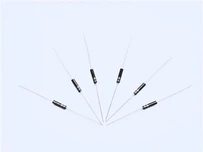
Product Detail
- Voltage range: 20V-40V.
- Current class: 1A-3A.
- Models: 1N5817, SS14.
- Use case: DC outputs.
Product Description
This low voltage Schottky diode page is for designers and buyers working on low-voltage DC outputs where every bit of conduction loss matters. You can compare 1N5817, 1N5818, 1N5819, SS12, SS14 and SR240 by forward voltage, current rating, package, leakage and temperature. The 20V to 40V range is useful when the rail voltage is low and efficiency is more important than excessive voltage headroom. Lian Tuo helps you check derating and package fit before samples are approved. It also gives purchasing cleaner replacement notes. That makes engineering review easier before repeat orders.
Our Low Voltage Schottky Diode Options
| 1N5817 Low Voltage Schottky Diode | 20V axial option for low-voltage rectification where forward drop and battery loss are the main concern. |
| 1N5818 Low Voltage Schottky Diode | 30V axial model for compact output rails, adapter repairs and simple replacement requirements. |
| 1N5819 Low Voltage Schottky Diode | 40V DO-41 choice for low-loss rectification, polarity protection and common through-hole boards. |
| SS14 Low Voltage Schottky Diode | SMA SMD package for 1A, 40V output stages, reel assembly and thin PCB layouts. |
| SR240 Low Voltage Schottky Diode | 2A DO-15 option for stronger current while keeping low-voltage efficiency and simple through-hole assembly. |
Feature Box
- Low DropForward voltage stays lower than standard rectifier choices.
- Compact FitAxial and SMD packages support different assemblies.
- Rail EfficiencyUseful where output loss and heat must stay low.
- Derating CheckVoltage margin can be reviewed before approval.
Save Output Loss
A low voltage Schottky diode helps reduce conduction loss on low-voltage output rails. This is useful when a small voltage drop becomes a large efficiency penalty. You can compare 20V, 30V and 40V models by forward voltage and current before choosing a package. It also gives purchasing cleaner replacement notes.
Avoid Excessive VRRM
Choosing far more reverse voltage than the rail needs can raise forward drop and waste heat. A low voltage Schottky diode should still have safe derating, but it does not need unnecessary headroom. Reviewing the real rail voltage keeps the design efficient. That makes engineering review easier before repeat orders.
Match The Package
Axial 1N5819-style parts suit through-hole boards and service needs, while SS14-style SMD parts fit automated assembly. The low voltage Schottky diode package should follow your board process, heat space and approved footprint. This avoids late layout changes. Your team can approve samples with fewer late questions. It helps avoid changes after the PCB or cabinet is fixed.
Check Leakage At Heat
Schottky leakage rises with temperature, especially in compact or enclosed products. The diode should be checked at the expected operating temperature, not only room conditions. This helps you balance low forward voltage with acceptable reverse leakage for the rail. It helps avoid changes after the PCB or cabinet is fixed.
Vertical Product Applications
Low-Voltage DC Outputs
Use a low voltage Schottky diode in low-voltage DC outputs when the rail needs efficient rectification with less heat. The 20V to 40V range is useful for adapters, control boards and small modules where voltage headroom can stay modest. Your team can approve samples with fewer late questions. It helps avoid changes after the PCB or cabinet is fixed.
Polarity Protection
Low voltage Schottky diode parts can support polarity protection where a lower forward drop is valuable. The selected model should match current, leakage and package needs. You can review 1N5819 or SS14 style parts before approving the board. It helps avoid changes after the PCB or cabinet is fixed. This keeps the sample decision tied to the real equipment.
Small Converter Rails
Small converter rails often need a Schottky diode that keeps switching losses and heat low. A 20V to 40V option can fit the rail better than a high-voltage part. Confirm temperature, current and package before sampling. This keeps the sample decision tied to the real equipment. It also gives purchasing cleaner replacement notes.
FAQ
When should I choose a low voltage Schottky diode?
Choose it when the circuit voltage is low and forward voltage loss matters. The 20V to 40V range is common on low-voltage outputs, small converters and polarity protection paths where high VRRM is not needed. That makes engineering review easier before repeat orders.
Is 1N5819 a low voltage Schottky diode?
Yes. 1N5819 is a common 40V axial Schottky diode used for low-voltage rectification and protection. You should still check current, package, forward voltage and leakage before using it as a replacement. Your team can approve samples with fewer late questions.
Can SS14 replace 1N5819?
Only if the electrical rating and package conversion are acceptable. SS14 is an SMA SMD part, while 1N5819 is usually axial. The board footprint and assembly method must be checked before treating them as equivalents. It helps avoid changes after the PCB or cabinet is fixed.
Why not choose a higher-voltage Schottky diode?
A higher-voltage Schottky may have higher forward voltage or different leakage behavior. If your rail only needs 20V to 40V with proper derating, a low voltage Schottky diode can keep efficiency and heat better balanced. This keeps the sample decision tied to the real equipment.
What data helps quote low voltage Schottky diodes?
Send voltage, current, package, forward voltage target, operating temperature, application and quantity. If it is a replacement, include the old marking and board photo so package differences can be checked. It also gives purchasing cleaner replacement notes. That makes engineering review easier before repeat orders.
Can Lian Tuo help select equivalents?
Yes. We can compare 1N5817, 1N5818, 1N5819, SS12, SS14 and SR240 style options by rating, package and application. This helps your team approve practical low-voltage Schottky diode samples. That makes engineering review easier before repeat orders. Your team can approve samples with fewer late questions.